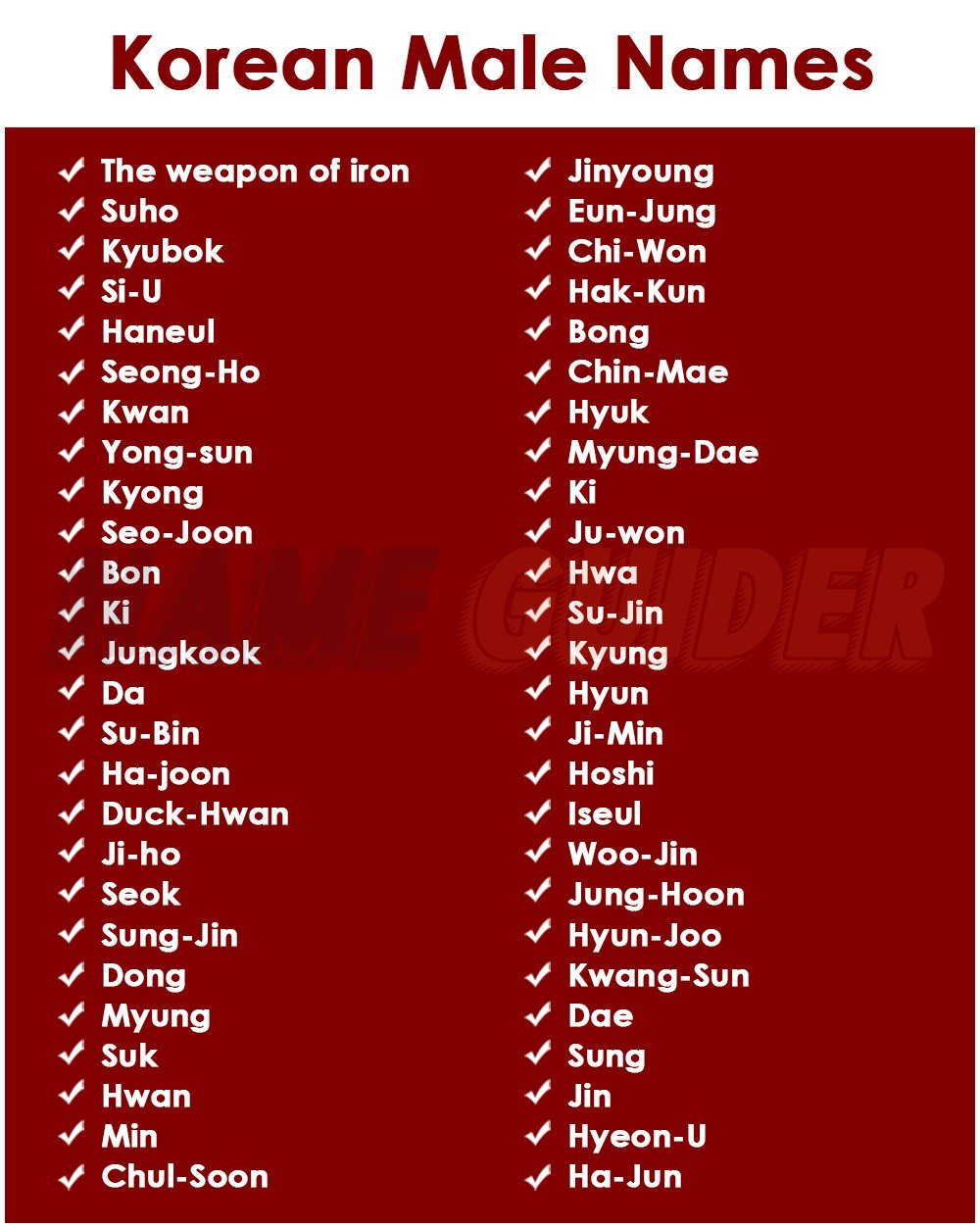
The quest for the perfect name, particularly one rooted in a rich and distinct culture like Korea's, often feels like navigating a labyrinth. You want authenticity, meaning, and a name that resonates with the persona or purpose you have in mind. This is precisely where Using Korean Male Name Generators Effectively becomes an invaluable skill, transforming a simple tool into a powerful resource for genuine cultural immersion, character development, or personal branding.
Forget generic lists or guesswork; a well-crafted Korean male name generator offers a gateway to names that are not just linguistically correct but also culturally resonant. It's about more than just a sequence of sounds; it's about understanding the nuances of a society where names carry weight, influence, and often, a glimpse into deep-seated values.
At a Glance: Your Quick Guide to Authentic Korean Male Names
- Cultural Depth: Korean male names often reflect assertiveness, authority, and traditional values; a good generator understands this.
- Beyond Translation: Don't just pick a name; understand its Hangul, Romanization, and intended meaning.
- Purpose-Driven Choice: Select styles (modern, traditional, K-drama) and meanings (strength, wisdom) based on your specific needs.
- Generator as a Starting Point: Use the tool for authentic options, then research further for deeper context.
- Avoid Pitfalls: Be mindful of generational nuances, pronunciation, and unintentional meanings.
Why Authenticity in Korean Male Names Matters: A Cultural Lens
Before we dive into the mechanics, let's understand why authenticity is paramount when dealing with Korean names. Korean society, historically and in many contemporary aspects, places significant emphasis on hierarchy, respect, and subtle power dynamics, particularly among men. The Korean language itself reflects this, often reinforcing a cultural norm where assertiveness, authority, and linguistic prowess are celebrated. Male figures frequently use their speech patterns and word choices to command respect, assert control, and subtly establish social pecking orders. Conversations are frequently characterized by indirectness and formality, which, while polite, also establish a power dynamic encouraging deference.
A name, therefore, is not merely an identifier; it’s a cultural artifact, a mini-narrative that carries societal weight. It can subtly influence allegiances, decisions, and how one is perceived within social structures. Those who navigate these male-centric power dynamics with culturally appropriate linguistic tools, including names, often gain unspoken advantages, while those who misstep might face barriers to influence and acceptance.
Choosing a name without understanding these undercurrents can lead to unintended consequences, ranging from mild awkwardness to significant cultural faux pas. An authentic name, generated with cultural intelligence, respects this intricate tapestry, ensuring that whether you're crafting a character or learning about the culture, you're doing so with informed respect.
The Modern Solution: How a Korean Male Name Generator Works for You
In an era where global stories and connections are increasingly common, the need for culturally accurate tools is more pressing than ever. This is precisely the gap a reliable Korean male name generator fills. These aren't just random word mash-ups; they're sophisticated tools designed to reflect the real-world complexities of Korean naming conventions.
For instance, tools like WriteCream’s Korean Name Generator are built to create realistic male names, complete with accurate Hangul spellings and Romanized versions. This dual presentation is crucial for anyone engaging with Korean language or culture, be it for character creation, establishing social media handles, or simply for educational purposes. The goal is to ensure names sound natural, meaningful, and, most importantly, culturally correct.
Let’s break down the typical process of using such a generator:
- Choose Your Style: Most generators offer categories like modern, traditional, trendy, or K-drama-inspired. This initial choice sets the tone.
- Add Meaning: You’ll often be prompted to select themes such as strength, love, success, wisdom, or nature. This allows the AI to craft names imbued with your desired symbolic weight.
- Generate Names: The AI then produces Korean male names, consistently following the traditional "surname + given name" format.
- View Hangul & Romanization: You’ll see the generated names in both native Hangul script and its Romanized (English alphabet) equivalent.
- Save or Re-Generate: Keep the options you like, or iterate for more choices.
This structured approach ensures that you're not just getting a name, but a culturally informed option that respects the intricacies of understanding Korean name meanings.
Unpacking the Core Features: What Makes a Generator Powerful?
Beyond the basic steps, the real power of an effective Korean male name generator lies in its core features. These are the elements that elevate a simple tool to an authoritative resource:
- Authentic Korean Structure: This is non-negotiable. Korean names follow a specific order: surname first, then the given name. A good generator adheres to this, avoiding a common mistake outsiders often make by reversing the order.
- Hangul + Romanization (Accurate and Paired): Providing both scripts is essential. Hangul is the native written form, while Romanization offers a phonetic guide for non-Korean speakers. Crucially, the Romanization needs to be accurate and consistent with established systems (like Revised Romanization of Korean) to ensure correct pronunciation and avoid confusion. You'll find a detailed guide to Hangul and Romanization conventions highly valuable here.
- Cultural Themes: The ability to select themes (e.g., strength, virtue, wisdom) allows for names that resonate with specific values or character traits. This is particularly vital for storytelling or personal branding, where a name can subtly convey a deeper message.
- Multiple Styles: From the timeless elegance of traditional names to the contemporary appeal of K-drama-inspired options, variety is key. This feature caters to diverse needs, whether you're writing a historical drama or a modern romance.
- Free & Instant Access: Accessibility is a major plus. High-quality tools often offer quick results without requiring sign-ups or payment, making them available to a broad audience.
These features collectively ensure that the names generated are not just random suggestions but are rooted in genuine Korean linguistic and cultural practices.
Mastering the Generator: A Step-by-Step Guide to Authentic Selection
Simply generating names isn't "using it effectively." True mastery comes from an informed approach, guided by your specific intent and a respect for cultural nuances.
Step 1: Define Your Purpose – Clarity is King
Before you even click "generate," ask yourself: Why do I need this name?
- For a Fictional Character: Are they historical or contemporary? What's their personality, background, social status, and generational context? A stoic warrior in a historical epic will need a vastly different name from a charismatic idol in a modern K-drama.
- For a Social Handle/Brand: Do you want something memorable, aspirational, or culturally identifiable? How will it sound to both Korean and non-Korean speakers?
- For Cultural Learning/Personal Interest: Are you exploring specific historical periods, regional naming patterns, or the meaning behind certain characters? Your purpose here might be more about exploration than a single selection.
Your purpose will dictate your choices in style and meaning, leading you towards a more effective generation process.
Step 2: Choosing Your Style – Beyond the Obvious Categories
While generators offer "modern" or "traditional" as options, dig a little deeper into what these mean.
- Traditional Names: These often draw from Chinese characters (Hanja) with deep philosophical or classical meanings. They might evoke a sense of heritage, wisdom, or classical virtue. They might also carry an air of formality or respect, especially among older generations. If your character is from a specific historical period or embodies deeply rooted values, a traditional name is likely your best bet.
- Modern Names: These tend to be more phonetic, sometimes shorter, and might incorporate elements that are currently popular. They're often easier for non-Koreans to pronounce. Think about the sleek, approachable names you hear in contemporary K-pop or dramas. If your character is young, urban, or lives in the present day, a modern name will feel more natural.
- K-Drama-Inspired Names: This category often overlaps with modern names but might lean towards names that have recently gained popularity due to famous actors or beloved characters. These names can carry a certain fashionable cachet, but be aware of trends; what's popular today might feel dated tomorrow. If you're aiming for a character that feels immediately recognizable and trendy to K-drama fans, this is a strong option. You might even find insights into popular K-drama names to guide your selection.
Step 3: Infusing Meaning – More Than Just Words
The "Add Meaning" feature is where you breathe life into a name. Think about the core traits or aspirations you want the name to convey.
- Strength & Courage: For a leader, a protector, or someone facing adversity.
- Wisdom & Intellect: For a scholar, a strategist, or a thoughtful mentor.
- Love & Compassion: For a romantic lead, a caregiver, or a gentle soul.
- Success & Prosperity: For an ambitious entrepreneur or a character destined for greatness.
- Nature & Beauty: For someone connected to the natural world, or simply embodying grace.
Remember, the meanings are often derived from Hanja characters, so a name might literally translate to "bright pearl" or "wise scholar." This layer of meaning adds incredible depth to your chosen name. Don't be afraid to experiment with different combinations of meanings to see what unique names emerge.
Step 4: Decoding the Output – Hangul, Romanization, and Structure
You’ve generated a list. Now, how do you make sense of it?
- Surname + Given Name: Always observe this structure. The surname (e.g., Kim, Lee, Park) comes first, followed by the given name, which is typically two syllables but can be one.
- Hangul (한글): This is the authentic script. If you're using the name for anything culturally significant, having the correct Hangul is vital. It’s not just for Koreans; it shows respect for the language.
- Romanization: This is your pronunciation guide. While various Romanization systems exist, Revised Romanization of Korean is the standard in South Korea. Pay attention to how the generator Romanizes the name. Slight variations in Romanization can drastically change pronunciation for a non-native speaker. For example, "Woong" (웅) and "Ung" (웅) are both common Romanizations of the same sound, but "Woong" often guides English speakers to a more accurate sound.
Step 5: Refining Your Selection – Trusting Your Gut, Validating Your Choice
After generating and reviewing, a few steps will help you solidify your choice:
- Read it Aloud: How does it sound? Is it easy to pronounce for your target audience? Does it roll off the tongue?
- Check for Unintended Meanings: While the generator aims for authenticity, a quick online search of your chosen name (especially its Hanja components if known) can sometimes reveal deeper or alternative meanings you might want to consider. This is part of understanding traditional Korean naming practices at a deeper level.
- Cross-Reference (Optional): If you're creating a particularly important character or brand, consider consulting a native Korean speaker to get their feel for the name. This is the ultimate authenticity check.
- Consider Uniqueness vs. Familiarity: Some names are very common (e.g., Min-jun), while others are rarer. Your choice should align with your character’s background or brand strategy.
Beyond the Click: Nuances of Korean Male Naming
While a generator is a fantastic tool, it’s beneficial to be aware of broader cultural aspects of the cultural nuances of Korean male names.
- Generational Names (돌림자 - Dollimja): In traditional families, one character in the two-character given name would often be shared among all male (or sometimes female) siblings in the same generation, or even across several generations in a lineage. This practice is less common today, especially in modern names, but it's a profound aspect of traditional Korean identity. If your character has strong familial ties, this detail could add significant depth.
- Family Names (Surnames): There are only a few hundred Korean surnames, with Kim, Lee, and Park being overwhelmingly common. Generators will typically pair generated given names with realistic surnames. It's rare for individuals to create entirely new surnames.
- The Power of Names: As touched upon earlier, a name in Korean culture carries weight. It's often chosen by elders with great care, reflecting hopes and aspirations for the child. Using a name generated by a tool with this understanding in mind adds a layer of respect and intention to your creative work.
Common Pitfalls and How to Avoid Them
Even with the best tools, missteps can happen. Be aware of these common pitfalls:
- Choosing a Name Without Understanding Context: Selecting a deeply traditional name for a punk rocker character might create an unintended comedic effect, or simply feel jarring. Always align the name's style and meaning with its purpose.
- Ignoring Pronunciation: Romanization is a guide, but nuances can be lost. Relying solely on Romanization without any effort to understand the underlying Hangul sounds can lead to mispronunciations, which can be awkward or disrespectful.
- Overlooking Gender Specificity: While some Korean names are unisex, many are distinctly masculine or feminine. A good generator will categorize accurately, but double-checking a name's common usage can prevent accidental misgendering.
- Selecting Offensive or Inappropriate Meanings: While rare with reputable generators, blindly picking a name based on its sound without confirming its meaning (especially if you're pulling from less reliable sources) could lead to an unfortunate choice.
Your Questions, Answered
Let's tackle some frequently asked questions about Korean male names and using generators.
Are all Korean male names gender-specific?
While many are, some names can be considered unisex, especially in modern naming trends. However, most traditional names and those generated with specific "male-centric" meanings tend to be clearly gendered. A good generator will typically guide you towards male-specific names if you select that option.
Can I use a traditional name for a modern character?
Absolutely, but with intent. An older, traditional name on a young, modern character can signify family heritage, a parents' specific hope, or even be a plot point (e.g., the character struggles with an "old-fashioned" name). It adds depth, but ensure it's a conscious choice.
How important is the Romanization of a name?
Extremely important for non-Korean speakers. Accurate Romanization ensures correct pronunciation and readability in contexts where Hangul isn't used. While some variations exist, sticking to standard systems like Revised Romanization is best for clarity and widespread understanding. It helps bridge the gap between spoken Korean and its written English equivalent.
Do all Korean names have Hanja (Chinese character) meanings?
Traditionally, yes, most Korean names were derived from Hanja characters, each carrying specific meanings. While modern names sometimes opt for purely phonetic Korean syllables without direct Hanja ties, the tradition of meaningful names remains strong. Generators that allow you to select themes are often pulling from this Hanja-based meaning tradition.
Naming with Respect and Intent
Effectively using a Korean male name generator isn’t just about getting a name; it’s about engaging with a culture. It's about making informed choices that reflect respect for language, history, and social dynamics. Whether you're a writer, a gamer, a language learner, or simply curious, these tools empower you to create or discover names that are not only authentic but also rich with meaning and context.
So, go forth with confidence. Define your purpose, explore the styles, infuse your desired meanings, and carefully decode the output. With a thoughtful approach, your journey with the Korean male name generator will yield names that resonate, tell a story, and honor the deep cultural significance embedded within every syllable.