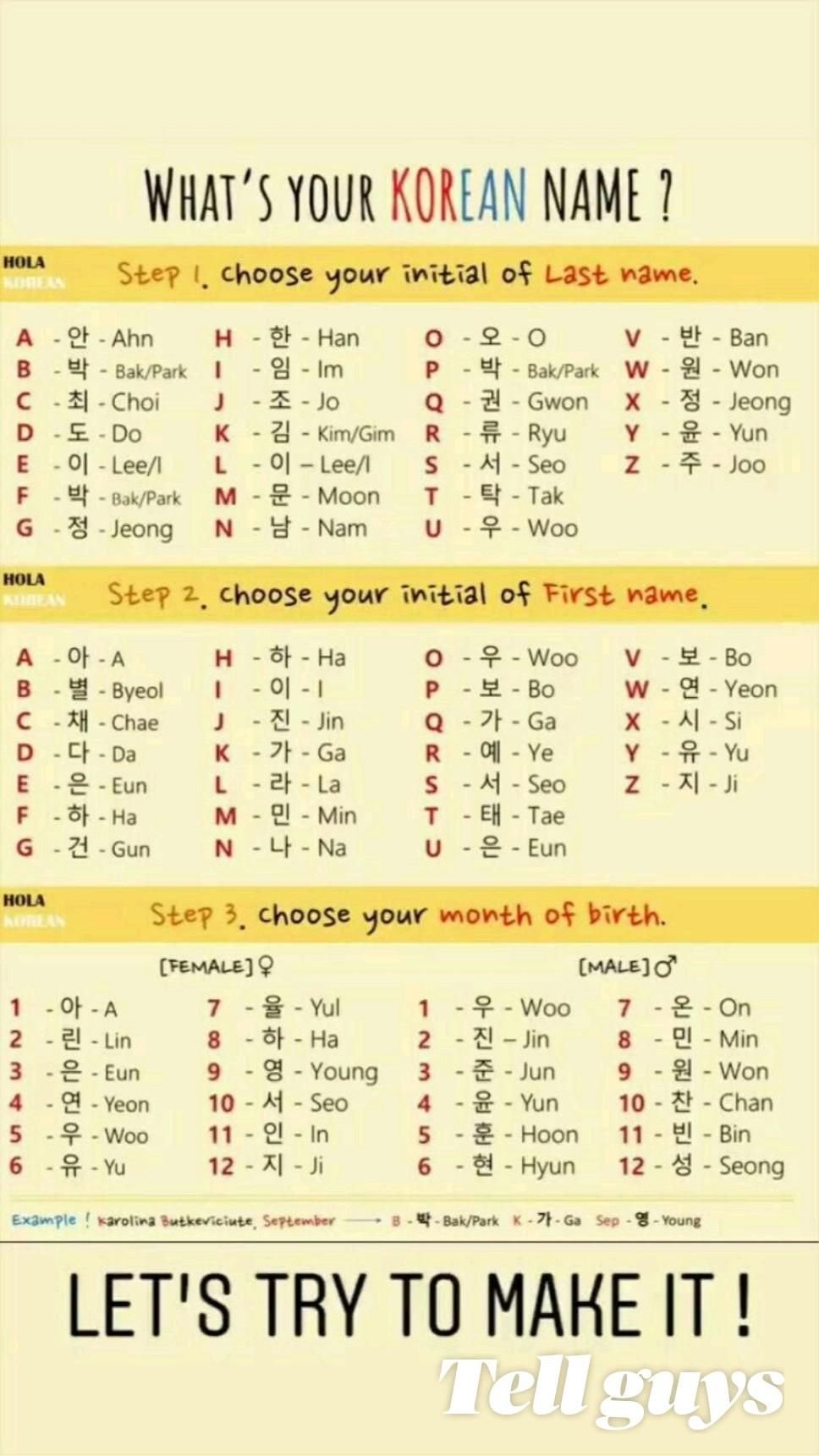
Ever found yourself wondering how Korean names work? You're not alone. What seems like a simple sequence of syllables is actually a meticulously crafted system, rich with history, family legacy, and deeply personal meaning. Diving into Understanding Korean Male Naming Conventions isn't just about learning names; it's about unlocking a fascinating cultural code that reflects centuries of tradition, family ties, and aspirations. It's a journey into identity, respect, and the subtle nuances of Korean culture.
This isn't just for linguists or seasoned K-drama fans; it's for anyone looking to connect more deeply with Korean culture, communicate more effectively, or simply appreciate the thoughtful artistry behind a Korean name.
At a Glance: Key Takeaways from Korean Male Naming
- Structure: Almost always [FAMILY NAME] [personal name], typically three syllables total (one family, two given).
- No Middle Name: The two parts of the given name are a single unit, not separate like Western middle names.
- Family Name: Patrilineally inherited, usually one character, shared with siblings. Most common: Kim, Park, Lee, Choi, Chung.
- Given Name: Often features a 'generation name' (dollimja) shared by same-generation relatives, plus a unique identifier.
- Meaning Matters: Parents choose names for auspiciousness, good fortune, and positive traits, often consulting birth details or shamans.
- Hanja vs. Native: Names can be based on Chinese characters (hanja) for deep meaning or native Korean words for beauty.
- Romanization: Many spelling variations exist due to transcription; 'Revised Romanization' is widely used.
- Addressing: Never use a family name alone. Use full name + title (e.g., Kim Minsu-ssi) or given name + title (Minsu-ssi).
The Three-Part Harmony: Deconstructing a Korean Name
At its heart, a standard Korean name is a beautifully simple construct: [FAMILY NAME] [personal name]. Picture it like a miniature sentence, where the family name grounds the individual in their lineage, and the personal name speaks to their unique identity and aspirations.
Take the common example, KIM Min Su. Here, KIM is the family name, and Min Su is the personal name. While simple, this arrangement carries layers of cultural significance. Unlike many Western naming systems, there’s no concept of a "middle name" in Korea. The two syllables of the given name — Min and Su in our example — are a single, indivisible unit, chosen to flow together and convey a unified meaning.
This structure is surprisingly consistent, forming the bedrock of personal identification in Korea. It’s the first step in understanding how Korean society organizes its people, binding individuals to their families while also highlighting their unique self.
The Unchanging Anchor: Korean Family Names
The family name in Korea is more than just a label; it's a testament to unbroken lineage and collective identity. It’s inherited patrilineally, passed down from father to child, and shared universally among siblings. This means that brothers and sisters will carry the same family name, solidifying their place within the broader family structure.
One Character, Deep Roots
Most Korean family names are a single character in Hangul (the Korean alphabet), like KIM (김), PARK (박), LEE (이), CHOI (최), or CHUNG (정). These five names alone account for a significant portion of the South Korean population, which is why further distinctions become crucial (we’ll get to that). While single-character surnames are the norm, there are rare exceptions, such as HWANGBO (황보), which consists of two characters.
If you’re interested in diving deeper into common family names and their historical significance, you can learn more about common Korean family names in our detailed guide.
The Power of the Clan: Understanding Bongwan
With so many people sharing the same few family names, how do Koreans differentiate their lineage? This is where the concept of the "clan" (본관, bongwan) comes in. A bongwan refers to the historical origin and geographical location of a family name. For instance, you might encounter a "Jeonju Lee" (전주 이씨) or a "Gyeongju Kim" (경주 김씨). Both are Lee or Kim, but their bongwan indicates different ancestral roots and distinct family lines.
Historically, marriages between individuals of the same bongwan were forbidden, underscoring the deep reverence for ancestral ties. While this restriction has largely faded, the concept of bongwan remains a vital part of understanding family identity and connection in Korea, especially for older generations.
Crafting Identity: The Two-Character Given Name
Where the family name anchors you to your past, the given name is where personal identity blossoms. Typically comprising two characters, this personal name is chosen with immense care and often deep meaning.
The Dual Role: Unique Identifier and Generation Name
Traditionally, one character of a male given name serves as a unique identifier, specific to the individual. The other character, known as a generation name (dollimja, 돌림자), links him to his same-gender siblings and even cousins of the same generation.
Imagine a family with sons named LEE Min Jun and LEE Min Ho. Here, 'Min' could be the unique identifier for each brother, while 'Jun' and 'Ho' might be their respective unique characters. Alternatively, 'Min' could be the generation name, shared by many male cousins in that generation, while 'Jun' and 'Ho' are their unique characters. The placement of the dollimja (first or second character) can vary by family. This practice creates a beautiful tapestry of names that visually represent family structure and generational belonging.
While still common, this tradition has become more flexible in modern families, with some opting for names that prioritize unique sound or meaning over strict adherence to the dollimja system.
More Than Just Sounds: The Meaning Behind the Name
Korean parents don't just pick names off a list; they select them with intention, embodying goodwill, prosperity, and positive connotations. Often, this involves consulting a child's birth date and time, or even engaging shamans or naming experts for auspicious suggestions. It’s not uncommon to hear a new parent discussing the specific energies or destinies a name might bring.
Many given names carry significant meanings derived from Chinese characters (hanja, 한자). For example, "Kyong" (경) can mean "brightness," while "Geon" (건) signifies "strong" or "foundation." Choosing a name with specific hanja allows parents to imbue their child's identity with virtues and hopes.
However, native Korean words are also increasingly popular for given names, prized for their beauty and directness. Examples include "Ha-neul" (하늘) for "heaven/sky" or "Seulgi" (슬기) for "wisdom." These names offer a modern twist while still carrying deep cultural resonance. If you’re curious to delve into the fascinating meanings behind Korean names, we have an extensive resource for you.
No Naming After Elders
A notable cultural nuance is that it is generally not customary to name a child after an elder or family member. This practice respects the unique status of each individual within the family hierarchy and avoids any potential awkwardness in addressing or respecting older relatives.
Beyond the Hangul: Romanization, Western Names, and Legal Realities
While Korean names are inherently expressed in Hangul, navigating a globalized world often requires their representation in the Roman alphabet. This process, known as Romanization, comes with its own set of conventions and quirks.
The Many Faces of Romanization
When a Korean name is written using the Roman alphabet, it’s a transcription from its original Hangul characters. This has historically led to many spelling variations. For instance, the family name LEE (이) can also appear as RHEE, YI, or even LI, depending on the transcription system used and individual preference.
To standardize this, the 'Revised Romanization of Korean' is now the most widely used system, especially in official contexts in South Korea. This system aims for greater consistency and phonetic accuracy, though older spellings persist due to family traditions or personal choice.
Bridging Cultures: Westernized Names
For many Koreans living or working in international contexts, adopting a 'Westernized' name is common. This can take a few forms:
- Reversing the Name Order: Many Koreans will simply reverse their name order to [personal name] [FAMILY NAME] to align with Western conventions. So, KIM Min Su becomes Min Su KIM.
- Using an "English Name": Others choose an entirely separate 'English name' (e.g., "Daniel," "Kevin") that they use in non-Korean settings. This name may or may not be related to their birth name in meaning or sound.
These adaptations reflect a practical approach to cross-cultural communication, making names easier for non-Koreans to pronounce and remember while preserving their Korean identity.
Women and Marriage: A Legal Constant
An important point often misunderstood in Western cultures is that women in Korea do not change their legal names upon marriage. They retain their birth family name, maintaining their lineage distinct from their husband's. The only exception to this is often seen when Korean women move overseas, where, for convenience or cultural assimilation, they might informally adopt their husband's family name. However, legally, their Korean name remains unchanged.
Navigating Social Graces: Addressing Koreans Respectfully
Understanding how to address Koreans is paramount to polite interaction. It��s a system rooted in respect for age, social status, and relationship dynamics, far more intricate than simply calling someone by their first name.
Never Use a Family Name Alone
This is a cardinal rule: it is incorrect and disrespectful to refer to anyone by their family name alone (e.g., just "Kim" or "Park"). It strips the individual of their identity and implies an inappropriate level of familiarity or even disdain.
The Power of Titles: Adding Respect
Titles are crucial in Korean address and typically follow a person’s name. They are used to indicate polite speech and define the relationship.
- Full Name + Title: The most formal and polite way is to use the full name followed by a title (e.g., KIM Minsu Ssi).
- Given Name + Title: For more casual, but still respectful interactions, especially if you're somewhat familiar with the person, you can use just the given name followed by a title (e.g., Minsu Ssi).
Common Gender-Neutral Titles:
- Ssi (씨): This is a common, generally polite, and gender-neutral title used for people of similar age or social status. It's often equivalent to saying "Mr./Ms./Mx. [Name]" in a less formal way.
- Nim (님): Denotes greater respect than ssi and is often used for superiors, teachers (Sonsaeng-nim), or professionals.
Age-Specific Titles (for older individuals):
These titles are used when addressing someone older than you, creating a sense of family-like closeness:
- Unni (언니): A woman calls an older woman "unni" (older sister).
- Noona (누나): A man calls an older woman "noona" (older sister).
- Obba (오빠): A woman calls an older man "obba" (older brother).
- Hyung (형): A man calls an older man "hyung" (older brother).
These are typically used with a given name (e.g., Jisoo unni, Minho hyung) and signify a personal, respectful bond.
Occupational and Relational Titles:
Koreans also frequently refer to people by their occupational titles (e.g., Sonsaeng-nim for Teacher, Sajang-nim for CEO) or even by their role as a parent (e.g., "Minsu’s mum" or "Yeon-woo Appa" - Yeon-woo’s dad). This highlights the communal aspect of Korean society, where one's identity is often tied to their relationships and contributions. To fully master the art of polite address in Korea, a deeper dive into these nuances is highly recommended.
Common Misconceptions & Quick Answers
Let's clear up some frequently asked questions about Korean male naming conventions.
Q: Do Koreans use English names officially?
A: No, an English name is typically a social or informal name used in international contexts. Their legal name remains their Korean name. Some individuals may adopt a religious name upon baptism, which is separate from their legal and social names.
Q: Is it rude to ask about a name's meaning?
A: Generally, no, it's considered a compliment and shows interest in their culture. However, always ask politely and be prepared for a simple answer or a deeper explanation.
Q: Why are so many Koreans named Kim, Lee, or Park?
A: These surnames originated from powerful clans and royal lineages throughout Korean history. Over centuries, these names proliferated, becoming extremely common. The bongwan system then differentiates the specific lineage.
Q: Can you tell a person's gender from their Romanized name?
A: It can be difficult. While some names have traditionally gender-specific meanings or sounds in Korean, Romanization often loses these nuances. It's best not to assume gender based solely on a Romanized given name.
Q: Are there really shamans involved in naming?
A: Yes, traditionally, some parents consult shamans, fortune tellers, or naming experts who use birth charts, numerology, and other auspicious factors to suggest names that are believed to bring good fortune, health, and prosperity to the child. This practice continues among some families today.
Beyond the Basics: Finding Your Connection
Understanding Korean male naming conventions is more than just learning facts; it's about appreciating a rich cultural tapestry. Each name is a carefully chosen reflection of family history, generational ties, and personal aspirations. From the steadfast family name to the meaningful given name, and the intricate dance of social titles, the Korean naming system offers a powerful lens into the values and relationships that shape Korean society.
Whether you're engaging with Korean friends, diving into K-culture, or simply expanding your global knowledge, this insight equips you to interact with greater respect and appreciation. And if you're feeling inspired to explore your own potential Korean male name, you can explore potential Korean male names with our comprehensive tool. It's a fun way to connect with these traditions firsthand!